
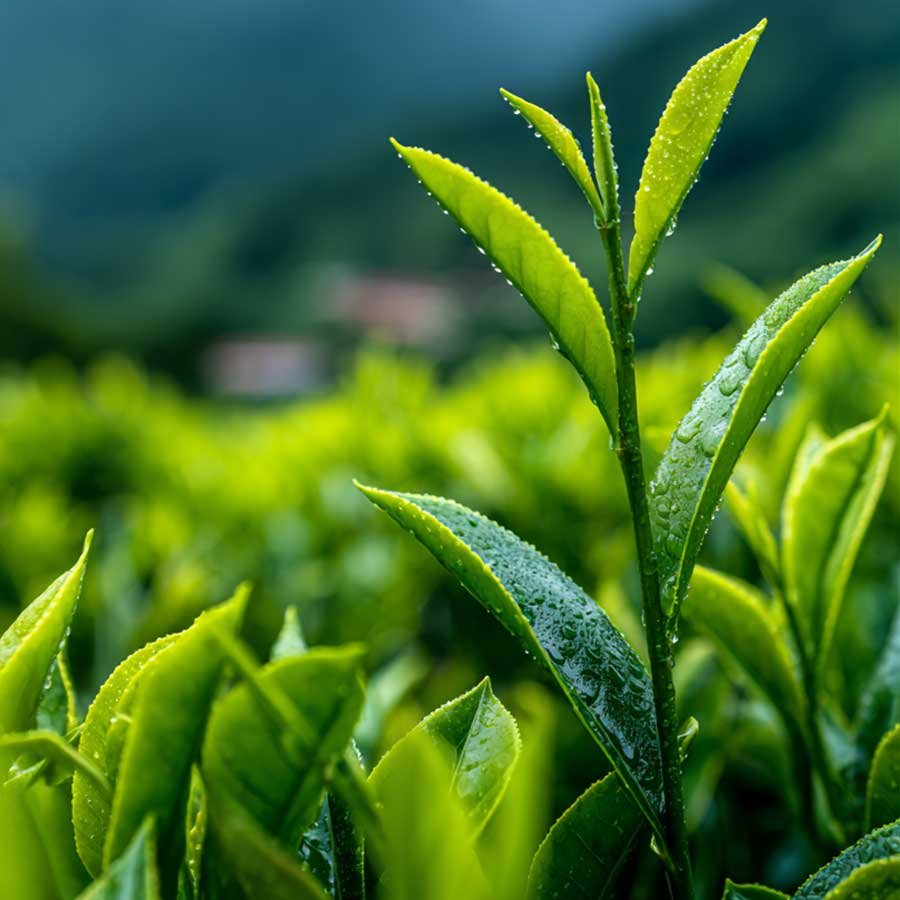
Black Tea Extract Production Process: From Leaf to Liquid Gold
What Is Black Tea Extract?
Black tea extract is a concentrated form of tea derived from the fermented leaves of the Camellia sinensis plant. Unlike simple brewed tea, the extract is packed with active compounds like theaflavins, thearubigins, catechins, and caffeine, all of which offer numerous health benefits and strong antioxidant properties.
Why Black Tea Extract Is in High Demand
The global market for tea extracts has seen a surge due to rising interest in natural ingredients, especially in health beverages, functional foods, and skincare. Black tea extract provides both flavor and functionality—its antioxidants, anti-inflammatory compounds, and mild caffeine boost make it a versatile ingredient in various industries.
Understanding the Origins of Black Tea
A Brief History of Black Tea
riginating in China during the Ming Dynasty, black tea spread to India and Sri Lanka, becoming one of the most traded commodities in the British Empire. The fermentation process that defines black tea was once accidental—now, it’s the foundation of extract industry.
Key Tea Varieties Used in Extract Production
Producers typically rely on Assam, Darjeeling, Ceylon, and Keemun teas due to their strong aroma and rich flavor. The chemical composition of these teas—particularly their polyphenol and caffeine content—directly influences the quality of the final extract.
Choosing the Right Tea Leaves
The production process begins in the plantation. Only mature, healthy leaves are chosen. The chemical profile of the tea leaf at harvest—rich in catechins and amino acids—determines the strength and flavor of the extract.
Harvesting and Withering Process
After harvesting, leaves are spread out in thin layers for withering, reducing moisture content by about 60–70%. This makes them pliable for rolling and initiates the enzymatic changes necessary for oxidation
The Science Behind Black Tea Fermentation
Enzymatic Oxidation Explained
Fermentation (technically oxidation) transforms the fresh green leaves into deep brown or black. The enzymes polyphenol oxidase and peroxidase react with oxygen, converting catechins into theaflavins and thearubigins—compounds responsible for the tea’s color and taste.
Enzymatic Oxidation Explained
Temperature (25–30°C) and humidity (above 90%) are carefully maintained. Over-fermentation can produce a dull flavor, while under-fermentation leads to bitterness. Expert timing ensures a balanced aroma and a high antioxidant yield.
Extraction Methods Used in Industry
Hot Water Extraction
The simplest and most traditional method involves steeping fermented tea leaves in hot water (80–90°C) for several hours. The water acts as a solvent, pulling out soluble compounds like polyphenols, caffeine, and amino acids.
Solvent Extraction (Ethanol and Methanol)
For higher purity and yield, ethanol or methanol is used to extract both hydrophilic and lipophilic compounds. This step enhances concentration but requires post-processing to remove solvent residues.
Supercritical CO₂ Extraction (Modern Technique)
An eco-friendly alternative, supercritical CO₂ extraction uses carbon dioxide under high pressure and temperature. It efficiently extracts active compounds without toxic residues, preserving flavor and stability.
Concentration and Purification Stages
Filtration and Clarification
The extracted liquid is filtered to remove impurities and insoluble matter. Filtration techniques like membrane or vacuum filtration help ensure clarity and purity.
Evaporation and Spray Drying
Next, the liquid extract is concentrated through evaporation. It’s then spray-dried into a fine, soluble powder—ideal for long shelf life and easy blending in food or cosmetic formulations.
Quality Control and Standardization
Testing for Polyphenols, Theaflavins, and Caffeine
Each batch undergoes rigorous laboratory testing. Parameters such as total polyphenol content, theaflavin ratio, caffeine concentration, and moisture level ensure product consistency and compliance with industry standards.
Ensuring Batch Consistency
Producers use chromatographic and spectrophotometric analyses to ensure the extract matches desired specifications. Standardization ensures uniform potency across multiple production runs.
Packaging and Storage of Black Tea Extract
Ideal Storage Conditions
Black tea extract should be stored in air-tight, opaque containers at temperatures below 25°C to prevent oxidation and degradation. Humidity control is also crucial.
Shelf Life and Preservation Techniques
When properly packaged, black tea extract has a shelf life of 18–24 months. Nitrogen flushing and vacuum sealing are commonly used preservation methods.